

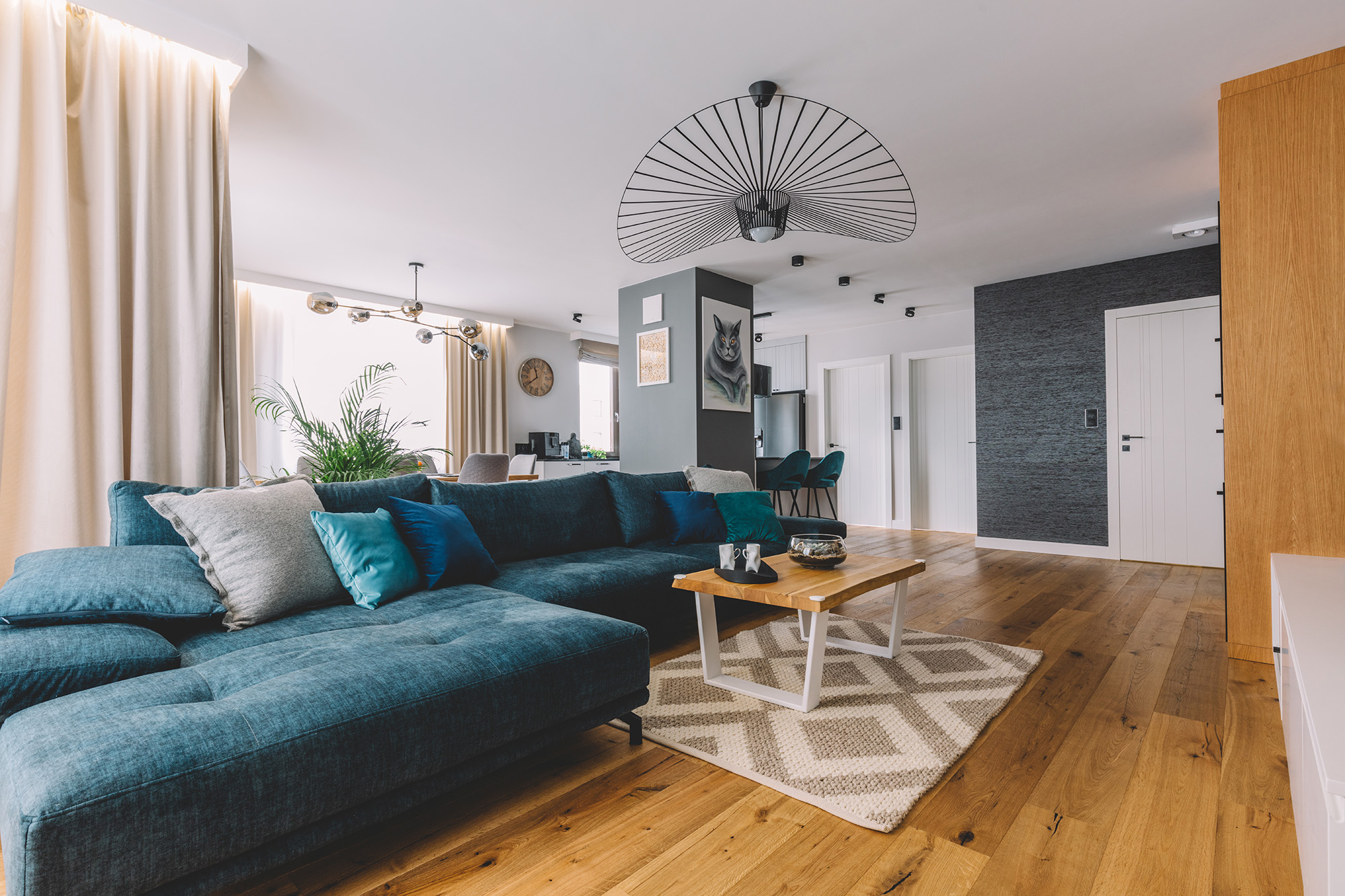
Choosing hardwood flooring involves more than picking a species and color. You also need to decide whether your boards should arrive prefinished or be finished after they are installed. Both options can produce beautiful results, but they create different looks, installation processes, and maintenance considerations.
For many homeowners, prefinished hardwood offers convenience and a predictable factory finish. Unfinished hardwood provides greater flexibility when you want to customize the final color or create a continuous appearance across the floor. The better option depends on your home's design, project timeline, and priorities.
Prefinished Hardwood Makes Installation More Predictable
Prefinished hardwood arrives from the manufacturer already sanded, stained, and finished. Once the boards are installed, there is generally no need to apply stain and multiple coats of finish on site. That can shorten the finishing portion of a hardwood installation and reduce the disruption associated with sanding and finishing inside your home.
The factory-applied finish is also designed under controlled manufacturing conditions, which can provide a consistent appearance across the flooring. Prefinished floors come in a wide range of species, colors, surface textures, plank widths, and finishes. If you already know the look you want and can find it in an available product, prefinished hardwood can be a straightforward choice.
Unfinished Hardwood Gives You More Design Control
Unfinished hardwood is installed as raw wood and finished after the boards are in place. This approach gives you more control over the final appearance because the flooring can be sanded and finished as one surface. That can be especially useful when you want a custom stain color or need new flooring to coordinate closely with existing hardwood.
The boards can also be finished after installation, creating a more continuous appearance across the floor. The tradeoff is a longer and more involved installation process. Sanding creates dust and noise, and the finishing process requires additional time before the floor is ready for normal use. Your installer can explain the expected timeline based on the project and finish selected.
Think About the Finished Look
The visual difference between these options can be subtle, but it matters. Prefinished hardwood often has beveled edges between individual boards, although the exact profile varies by product. Unfinished hardwood can be sanded after installation so the finished surface flows more seamlessly from board to board. If you prefer a highly customized appearance, unfinished flooring may give you greater flexibility.
If you want a specific color and finish without an extended on-site finishing process, prefinished flooring may be more convenient. Current hardwood flooring trends 2026 also include natural tones, visible grain, wider planks, and textured finishes. Fortunately, both prefinished and unfinished products can support a variety of contemporary and timeless styles.
Which Option Works Better for Your Home?
There is no universal answer when comparing prefinished and unfinished hardwood. Consider how much customization you want, how quickly you need the project completed, whether you are matching existing flooring, and how much on-site disruption you are comfortable with. The best hardwood flooring is the option that fits both your design goals and the practical realities of your project. A flooring professional can also help you compare species, plank construction, finish options, and installation requirements before you make a decision.
For homeowners in Indian Trail, NC and throughout Charlotte, NC, LC Hardwood Floors can help you evaluate hardwood choices for your space. If you are planning hardwood installation and want to compare prefinished and unfinished options, contact us today and visit our showroom to see flooring choices in person. Looking at actual samples can make it much easier to judge color, grain, texture, and finish before committing to your new floor.


