

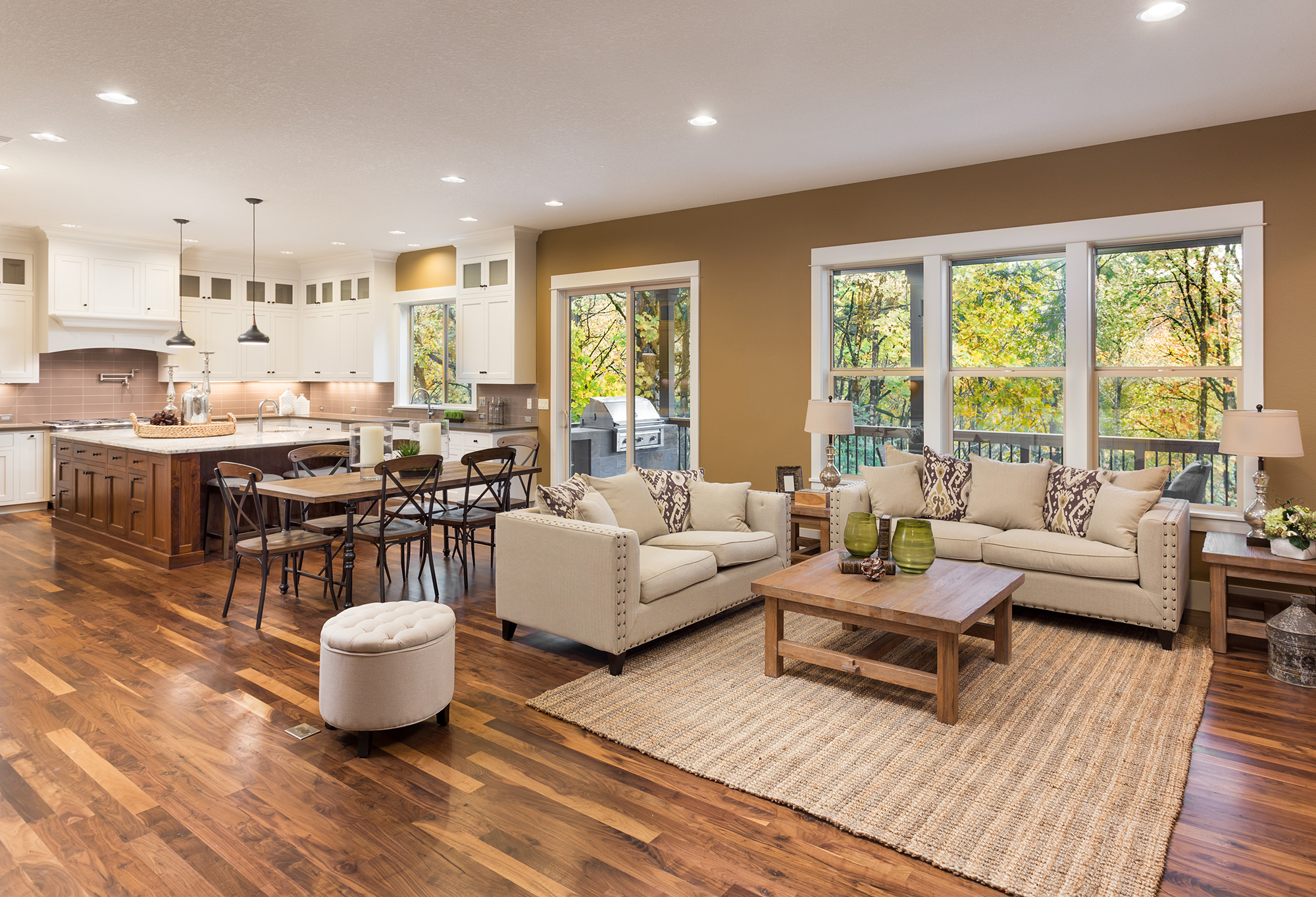
Area rugs can do more than add color to a living room. The right rug helps define seating areas, soften hard surfaces, add warmth underfoot, and bring separate pieces of furniture together visually. Because living rooms tend to be among the most frequently used spaces in a home, choosing the right size, material, and construction matters.
The best area rugs should work with your furniture arrangement while standing up to the amount of activity in the room. A beautiful rug that is too small, difficult to maintain, or poorly suited to your flooring can quickly become frustrating.
Choose the Rug Size Around Your Furniture
One of the most common mistakes is choosing a rug based on the empty floor rather than the furniture layout. In many living rooms, a larger rug works better because it can visually connect the sofa, chairs, and coffee table. Ideally, the front legs of the main seating pieces should rest on the rug, creating a more unified arrangement.
In a larger room, you may have enough space for all furniture legs to sit on the rug. Before buying, measure the seating area and use painter's tape to outline the proposed rug dimensions on your floor. This simple step lets you see whether the size feels proportional before you bring a rug home.
Consider Fiber and Everyday Traffic
Living rooms can experience everything from relaxed evenings to family gatherings, so think about how much use the rug will receive. Wool is known for its durability, warmth, and natural appearance, while synthetic fibers can offer practical options for households that prioritize easy maintenance and value.
If children or pets regularly use the room, look for a rug that can tolerate frequent cleaning and everyday spills. A low-pile design can also be easier to vacuum than a very thick or shaggy construction.
Your existing floor matters, too. If you have hardwood flooring, choose a rug pad designed for use over hard surfaces. The pad can add cushioning, help keep the rug in place, and reduce direct friction between the rug backing and the floor.
Coordinate With Your Hardwood Floor
Area rugs should complement the floor beneath them rather than compete with it. If your hardwood has a strong grain pattern or noticeable color variation, a rug with a simpler design can create balance. A more neutral hardwood floor gives you greater freedom to introduce pattern or color through the rug.
Consider the room's lighting as well. Natural light can make colors appear different throughout the day, while artificial lighting can change the way warm and cool tones are perceived.
When shopping for the best area rugs, bring flooring samples or photos into the decision whenever possible. Seeing the rug beside the actual floor can help you avoid color combinations that looked better in isolation.
Think About Shape, Texture, and Maintenance
Rectangular rugs are a natural fit for many living rooms, but a round or irregularly shaped rug can work well when you want to emphasize a particular seating arrangement or architectural feature. Texture is another way to add interest. A flatweave rug can create a cleaner, more streamlined appearance, while a thicker construction can make a seating area feel cozier.
Maintenance should be part of your decision from the beginning. Check the manufacturer's cleaning recommendations and consider how easily the rug can be moved when your flooring needs routine cleaning.
Create a Living Room That Feels Finished
The best area rugs are the ones that fit the room's dimensions, furniture layout, flooring, lifestyle, and maintenance needs. Taking measurements before shopping and considering the rug as part of the entire room can lead to a much more cohesive result. If you are updating a living room in Indian Trail, NC, LC Hardwood Floors can help you think through how an area rug will work with your flooring.
Homeowners throughout Charlotte, NC can explore flooring options and consider the finishes, textures, and colors that will support the overall design. Contact us today and visit our showroom to see flooring selections in person. With the right foundation underneath, your area rug can become a practical finishing touch rather than an afterthought.


